I plant for the place I love.
New Jersey was meadows, oak woodlands, and stream edges long before it was lawns. I help homeowners bring a little of that back, one yard at a time.
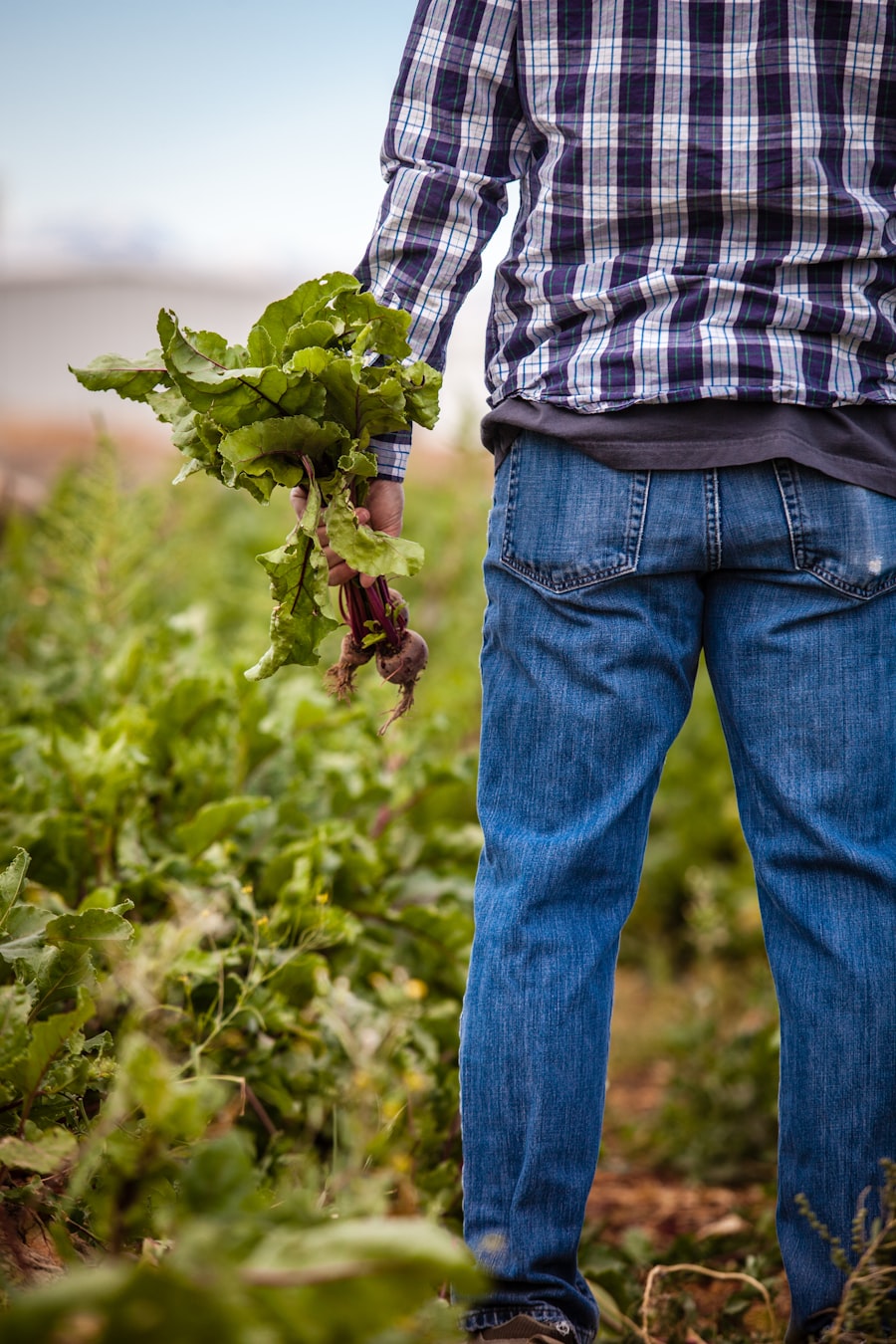
The garden taught me first.
I grew up wandering between my grandmother's tomato beds and the woods at the back of her property. The vegetable garden was tidy and demanding; the woods were unruly and generous. I didn't have words for it yet, but I knew which one felt more alive.
Years later, after a stretch as an arboretum educator and then a decade tending other people's traditional gardens, I started reading the native-plant research coming out of Doug Tallamy's lab at Delaware. It put words to what I'd noticed for years: the ordinary lawn-and-yew yard is a near-empty room for the birds and insects that used to live here.
Hollyscapes grew out of that. I help homeowners across northern and central New Jersey replace some of that emptiness with plants that belong here — gardens that are calm and welcoming to look at, and quietly full of life when you stop to listen.
Five things that guide every garden I design.
I'd rather plant fewer things well than many things hopefully. These are the ideas I keep returning to.
- 01
Natives first, always.
Plants that evolved here support roughly ten times as many caterpillars — and therefore songbirds — as plants from elsewhere. I start there and build out.
- 02
Right plant, right place.
Sun, soil, moisture, deer pressure. I match plants to conditions instead of fighting the site. Less watering, less replacement, less heartbreak.
- 03
Layered like a real landscape.
Groundcover, perennials, shrubs, small trees. A layered garden looks finished sooner, suppresses weeds, and gives wildlife somewhere to be.
- 04
Calm before busy.
Restful repetition, generous drifts, and breathing room between plants. A garden should feel composed, not collected.
- 05
Designed to need less of you over time.
Year one we plant and water. Year three the plants take over and you mostly watch. That's the goal.